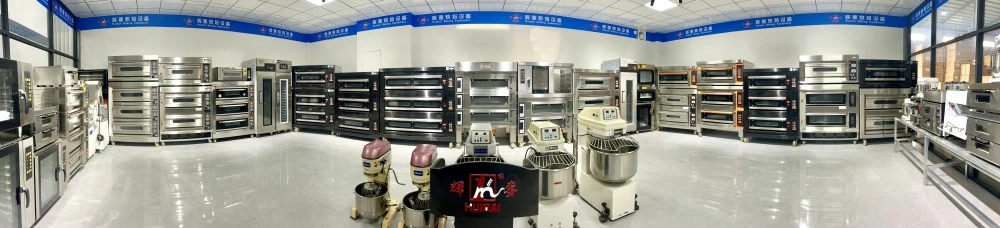
This commercial bakery oven buying guide shares critical tips for global bakery owners and importers to select suitable baking machines. Purchasing a commercial bakery oven is not simply about choosing the largest machine or the lowest price.
A suitable right oven must to match your products, production capacity installation space, local power or gas conditions, and long-term service requirements. For bakeries, restaurants, hotels, distributors, and importers, asking the right questions before placing an order can help avoid costly problems later.
If you are preparing to buy a commercial bakery oven, here are 10 questions you should answer before requesting a quotation or placing an order
1. What products will you bake?
Start with your products, not the oven.
Different bakery products can require different heating characteristics and baking configurations.
For example:
- Bread and artisan products may benefit from a deck oven with suitable steam options.https://www.huimaibake.com/product/asl3-6q-commercial-gas-oven/
- Cookies, pastries, cakes, and other products may require a different airflow and tray configuration.https://www.huimaibake.com/product/melentino-air-convection-oven-with-tray-rack/
- Pizza may require a dedicated pizza oven or a deck oven configuration suitable for pizza production.https://www.huimaibake.com/product/commercial-single-deck-electric-pizza-oven/
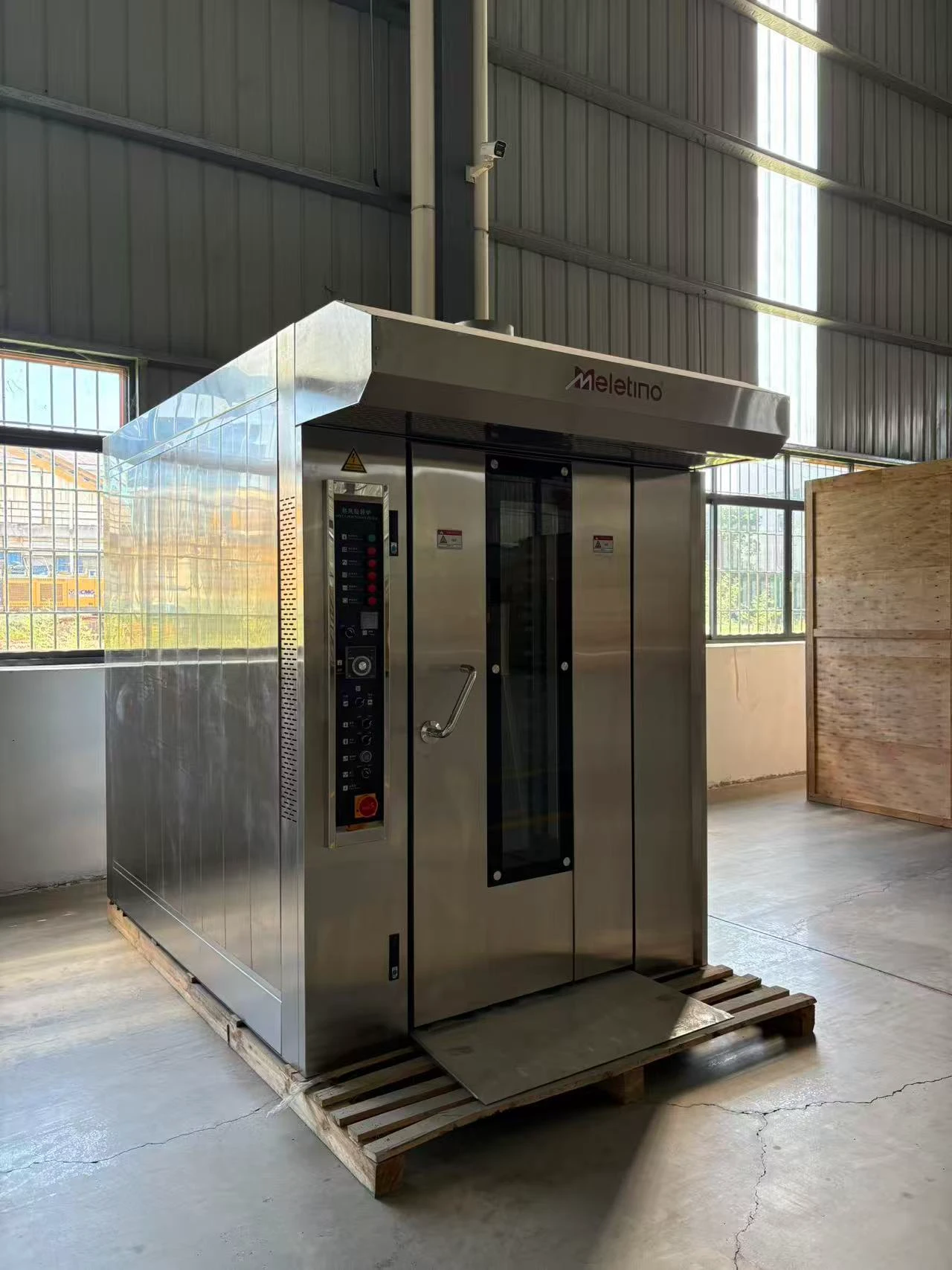
- High-volume bread or pastry production may require a rack or rotary oven.
- The important question is not simply:
Don’t just ask “Which oven is the best?Ask:”Which oven is best for the products I actually sell?”
If you make diverse items, tell the manufacturer exactly what you plan to bake. A professional supplier should be able to recommend a suitable configuration based on your products and production requirements.
2. Commercial Bakery Oven Buying Guide-How much do you need to produce per hour?
Production capacity is one of the most important factors when buying a commercial bakery oven.
Think about your actual production requirement rather than only your daily sales.
For example, consider:
- How many batches do you need to bake per hour?
- How many trays are required for each batch?
- How many products are loaded on each tray?
- How long is one complete baking cycle?
- Will production increase in the next one to three years?
- A small bakery may only need a compact one- or two-deck oven, while a larger bakery may need multiple decks or a higher-capacity system.
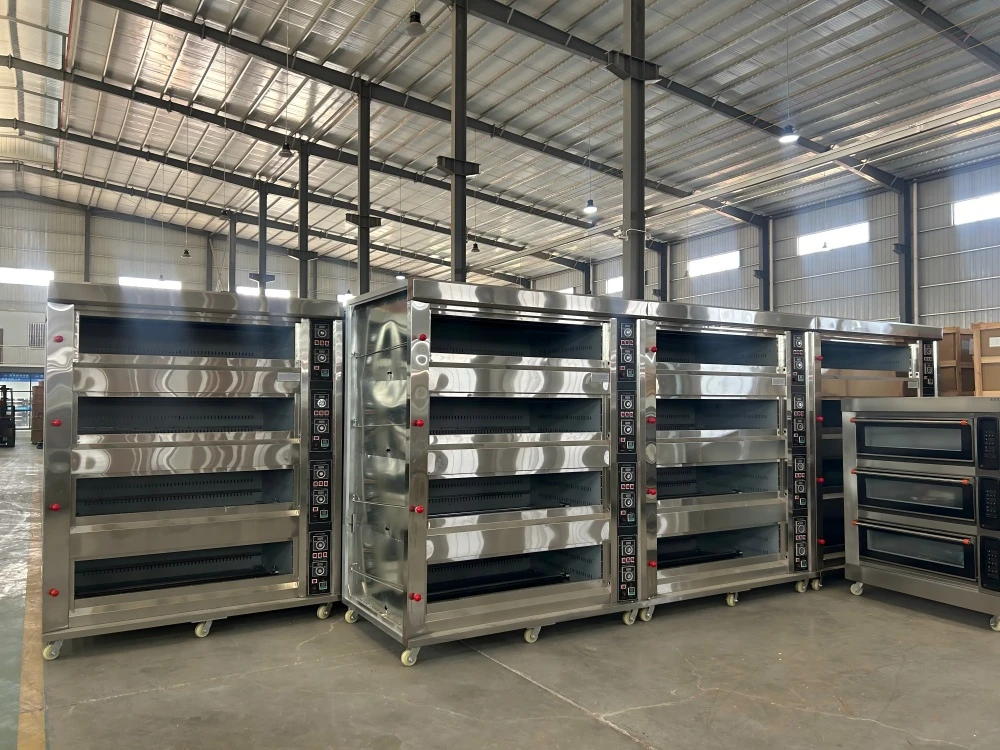
Huimai’s current product range includes configurations such as 2-deck, 3-deck, and 4-deck ovens, with models available for different tray capacities. For example, the ASL3-6D is a 3-deck, 6-tray electric oven, while the ASL4-16Q is a 4-deck, 16-tray gas oven.
The correct capacity should be based on your current production requirements while leaving reasonable room for future growth.
3. What tray or rack size do you use?
Never order an oven based only on the number of trays.
The actual tray dimensions are equally important.
Before asking for a quotation, confirm:
- Tray dimensions
- Number of trays per deck
- Chamber dimensions
- Tray spacing
- Rack dimensions, if applicable
- Loading and unloading requirements
- For example, a bakery using 400 × 600 mm trays should confirm that the selected oven is designed for that tray format.
This is especially important for distributors and importers. A machine that looks suitable in photographs may not be suitable for the tray standards commonly used in your target market.
4. Should you choose electric or gas?
Electric and gas ovens both work for commercial baking; the better choice depends on your local conditions.
Electric ovens
Ideal for users wanting easy temperature control, simple power hookup, no gas supply, or compact setup. Check voltage, phase, frequency, total power and electrical protection before purchase.
Gas ovens
Fit bakeries with gas supply and higher output needs. Confirm gas type, pressure, consumption, control power, local installation and ventilation rules.
Do not reuse an oven configured for another country directly. Share your local electrical and gas specs with the supplier before confirming the order.
5. Will the oven actually fit your bakery?
A machine may have the right capacity yet remain unsuitable if proper installation is impossible.
Before ordering, measure: floor space, door width & height, ceiling height, elevator size, passages, turning space, clearance to walls/equipment, and installation location.
Consider oven delivery access. A big multi-deck oven may fit the baking room but cannot get through the entrance.
Importers and distributors should collect these details from end users before confirming orders.
6.Which features do you actually need?
More features do not always equal a better investment.
Ask the supplier which features are required for your products and which are optional.
Depending on oven type, consider:
Independent temperature control, steam system, stone baking base, digital/microcomputer control, varied tray setups, door designs, customized voltage, plugs, color or logo.
For instance, Huimai deck ovens have per-deck independent temperature control; steam and stone bases are optional.
Choose features based on your baking process, and avoid paying for rarely used functions.
7. Can the manufacturer customize the oven for your market?
Customization matters greatly for international buyers.
Before ordering, confirm if the manufacturer can supply your required: voltage, frequency, plug, tray setup, machine size, control system, exterior color, logo, packaging and documents.
This is critical for distributors. When developing local markets, manufacturers offering OEM or custom configurations bring greater flexibility than those selling only standard models.
Huimai supports customization on size, voltage, plug, color, logo and more.
8.What certifications and documents are available?
Don’t check certification after placing your order.
First confirm documents required by your target market.
You may ask the supplier for product certificates, test reports, declaration of conformity, user manual, wiring diagrams, specs, packing, spare parts and installation guides.
Certification rules vary by market. Confirm available documents for your chosen model with the manufacturer.
This matters a lot for importers and distributors, as missing papers may delay customs clearance, sales or installation.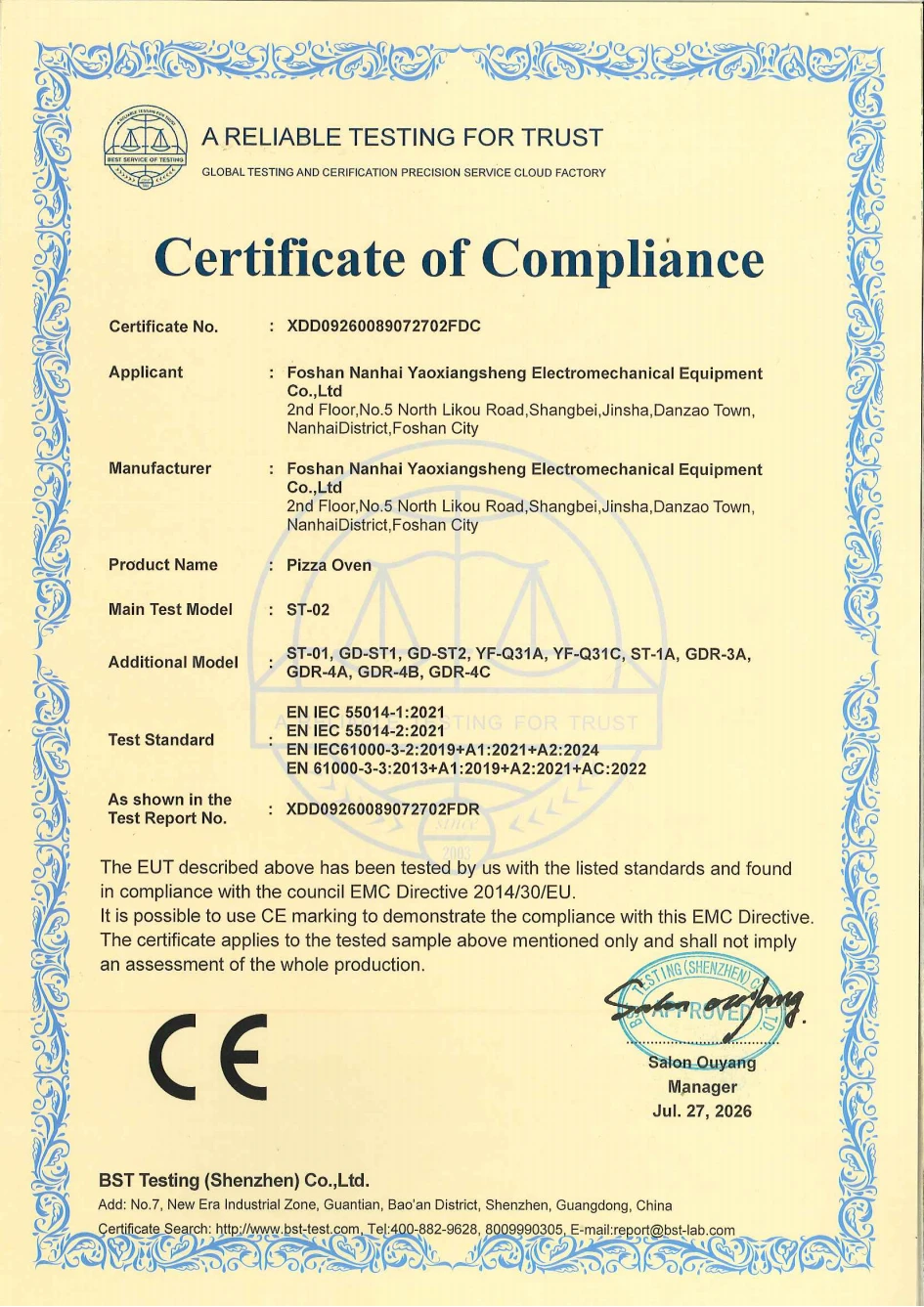
9. What happens if the machine needs service or spare parts?
The purchase price is only part of your total investment.
Commercial bakeries cannot tolerate unnecessary downtime. Ask the manufacturer these questions:
Warranty period, covered components, spare parts availability, delivery speed of spares, remote technical support, installation guides and troubleshooting service, plus after-sales contact.
Working directly with the maker helps handle technical issues and spare parts efficiently.
Huimai provides one-year warranty with online after-sales and installation support.
Always confirm exact warranty terms for your order before signing the contract.
10. What is the complete cost—not just the oven price?
The lowest quote does not always mean the lowest total cost.
When comparing commercial bakery ovens, calculate full purchasing expenses: oven price, optional features, spare parts, packaging, freight, insurance, import duties, customs fees, installation, gas/electrical work, local transport and future maintenance.
Check the Incoterm in quotations, e.g. EXW, FOB, CFR, CIF.
This is vital when comparing different overseas suppliers. Two ovens with similar quoted prices can end up with very different total costs after adding freight, installation and other charges.
Commercial Bakery Oven Buying Checklist
Before placing an order, make sure you can answer these questions:
| Item | What to Confirm |
| Product | What bread, pastry, pizza, or other products will you bake? |
| Capacity | How many trays or batches do you need per hour? |
| Tray Size | What tray dimensions do you use? |
| Oven Type | Deck, convection, rack/rotary, or another configuration? |
| Power | Electric or gas? |
| Electrical | Voltage, phase, frequency, and total power |
| Gas | Gas type, pressure, and consumption if applicable |
| Space | Floor space, doorway, ceiling, elevator, and access |
| Features | Steam, stone base, digital control, etc. |
| Customization | Voltage, plug, size, color, logo, and other requirements |
| Certification | What documents are required in your market? |
| After-Sales | Warranty, spare parts, installation, and technical support |
| Shipping | EXW, FOB, CFR, CIF, or another Incoterm |
| Total Cost | Equipment + shipping + installation + other costs |
If you can provide this information to the manufacturer, you are much more likely to receive an accurate quotation.
Final Thoughts Select your commercial bakery oven based on production needs, not just photos or quotes. Before ordering, clarify your baked goods, output, tray size, power/gas supply, installation space, needed functions, certifications, after-sales service and total cost.
If unsure of the right setup, send the 10 points above to the manufacturer. A reliable supplier can turn your question “Which oven should I buy?” into a tailored oven configuration.
Need Help Choosing a Commercial Bakery Oven? Share your country, baked products, tray size, capacity, power supply and order quantity. Huimai team will recommend a proper oven configuration with specs and quotation.