A Practical Guide for Distributors and Importers
Introduction
For wholesale distributors and equipment importers, choosing a commercial oven manufacturer is a long-term business decision rather than a one-time purchase.
In real distribution and OEM projects, issues such as inconsistent specifications, unstable lead times, or limited customization support often only become visible after the first few orders. These factors can directly affect market reputation and long-term cooperation.
Beyond pricing, distributors need to evaluate product consistency, supply stability, customization capability, certifications, and after-sales support when selecting a manufacturing partner.
This guide is written for commercial kitchen equipment distributors, wholesalers, and importers who are evaluating manufacturers for long-term cooperation, OEM projects, or regional distribution.
Understanding Wholesale Requirements in Commercial Oven Supply
Wholesale distribution has very different requirements compared to retail or single-unit purchases.
Distributors typically need:
- Consistent product specifications across batches
- Stable long-term production capacity
- Predictable lead times
- Support for documentation, certifications, and logistics
A manufacturer suitable for wholesale supply must be able to scale production while maintaining consistent quality standards.
Key Factors Wholesale Buyers Look for in an Oven Manufacturer
Manufacturing Capacity and Scalability
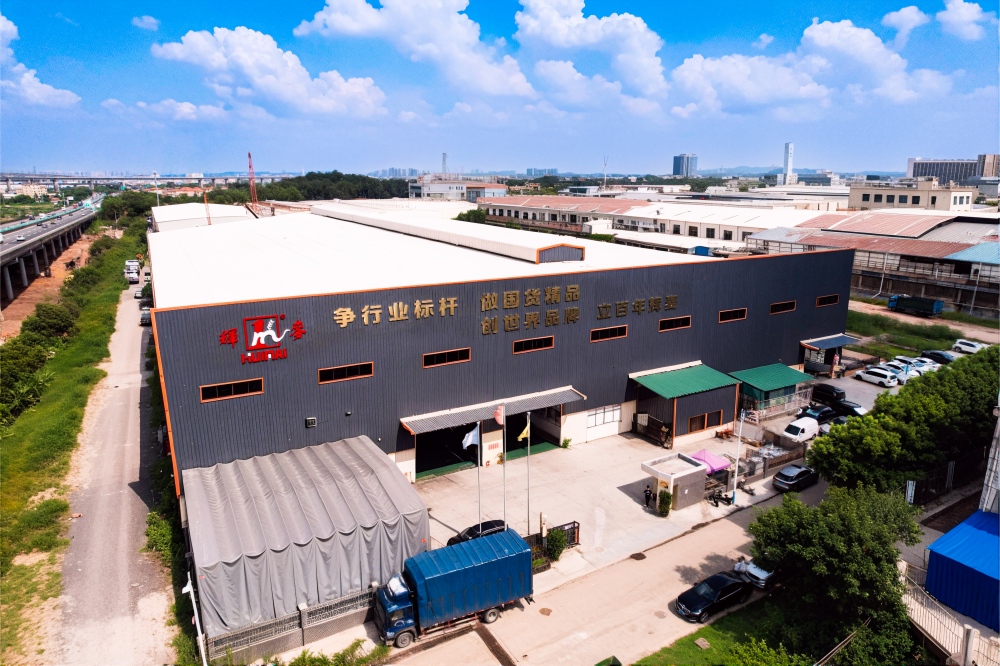
Distributors often start with smaller trial orders and gradually scale up. A qualified manufacturer should demonstrate:
- In-house production capability
- The ability to increase output without changing core specifications
- Stable supply of key components
- Scalability reduces the risk of supply disruption as your market grows.
In practice, manufacturing capacity is not only about monthly output figures.
For OEM or private label projects, factors such as tooling preparation, component sourcing, certification testing, and packaging confirmation often have a greater impact on production schedules—especially for initial orders.
Based on our experience, once specifications and key components are standardized, repeat orders usually become more stable and predictable in terms of lead time.
Quality Control Consistency
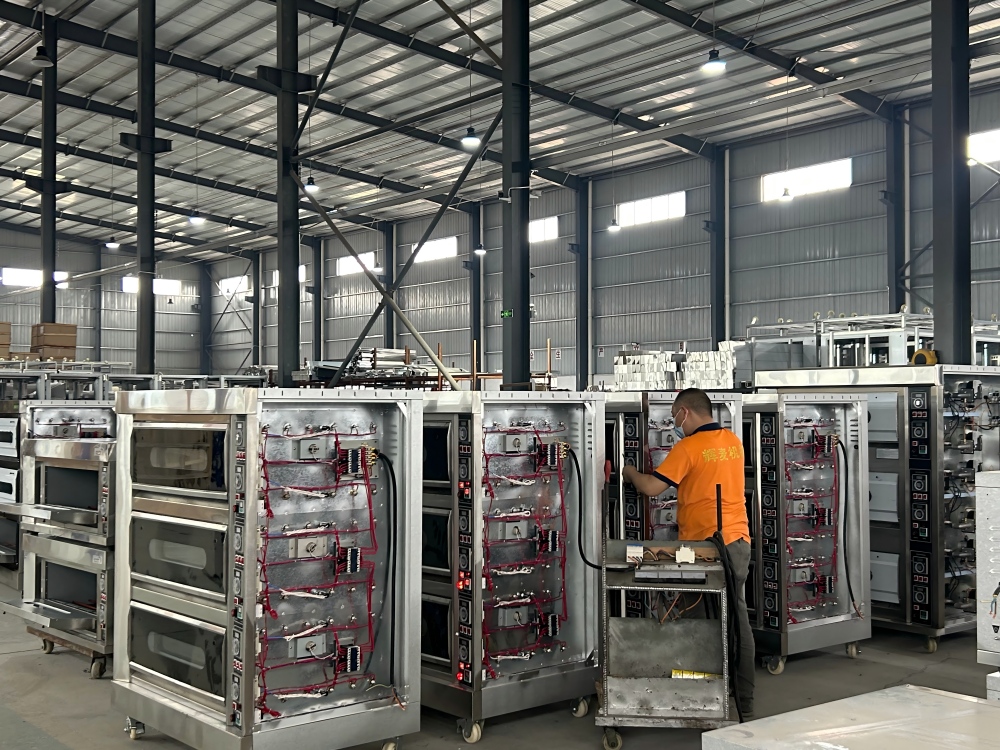
Commercial oven quality inspection process
For wholesale distribution, consistency is more important than individual unit performance.
Key indicators include:
- Standardized production processes
- Documented quality inspection procedures
- Stable material sourcing
This ensures that products delivered today will match those supplied months or years later.
For distributors, quality control consistency reduces the risk of after-sales disputes and technical support pressure.
Clear inspection standards and repeatable testing procedures help ensure that products delivered today will match those supplied in future batches, even as order volumes increase.
Customization and OEM Capability
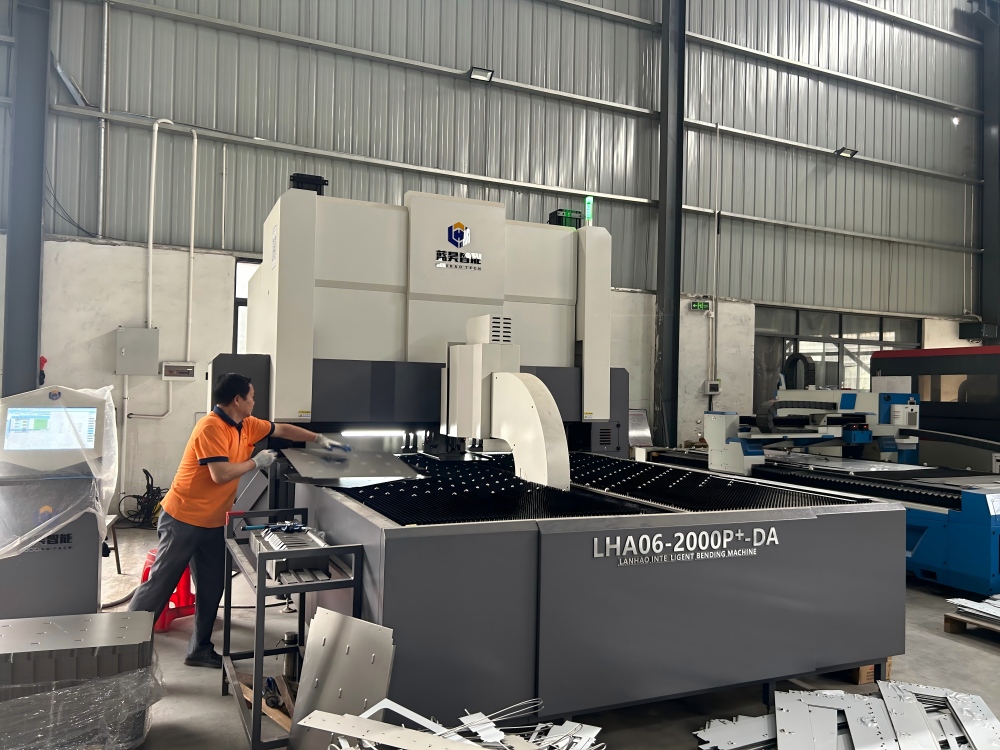
OEM commercial oven production line
Many distributors require OEM or private label options to support local branding.
Common OEM requirements include:
- Logo and branding customization
- Control panel language and layout
- Electrical specifications for different markets
- Packaging customization
In OEM projects, not all types of customization affect cost and lead time equally.
For example, logo printing or packaging adjustments are usually straightforward, while customized control panels, electrical configurations, or market-specific compliance requirements often require additional testing and preparation.
Clarifying customization priorities early helps reduce delays and unnecessary revisions during production.
Distributors planning OEM or private label projects often benefit from preparing a clear specification list before contacting manufacturers.
Certifications and Market Compliance
Compliance with international standards is essential for importers and distributors.
Typical certifications may include:
- CE certification for European markets
- ETL or equivalent certifications for North America
- Compliance with local electrical and safety regulations
Working with a manufacturer familiar with export certification processes can significantly reduce regulatory risk.
Lead Time, Logistics, and Export Experience
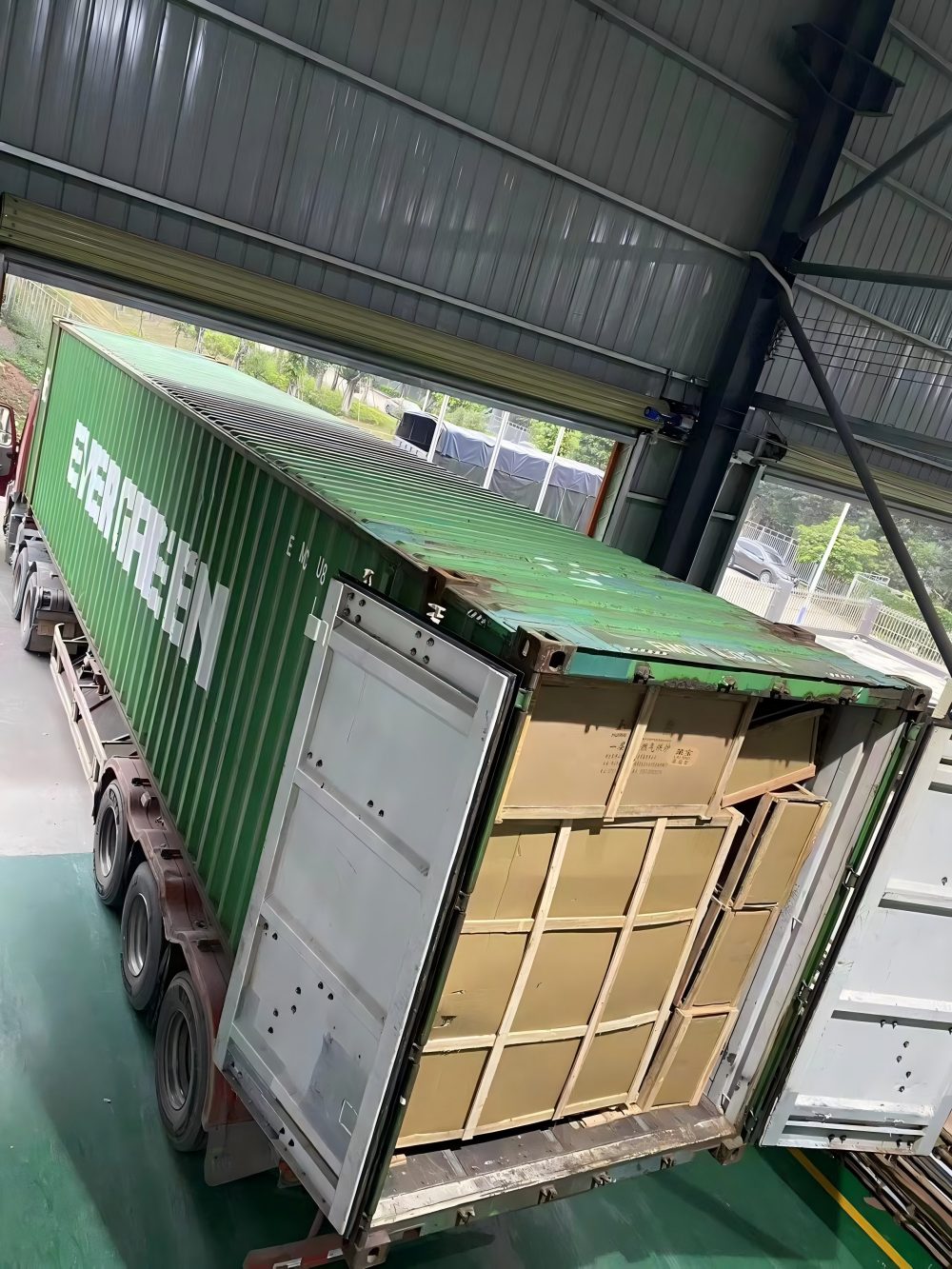
Commercial oven export container loading
Reliable delivery timelines are critical for wholesale planning.
Distributors should evaluate:
- Standard production lead times
- Flexibility for urgent orders
- Experience with international shipping and export documentation
Manufacturers with hands-on export experience are generally better prepared to handle documentation requirements, packaging standards, and communication during customs clearance.
This experience becomes increasingly important as order volumes grow or when supplying multiple regional markets.
After-Sales Support Structure
After-sales support is a common concern among distributors sourcing from overseas manufacturers.
A suitable wholesale manufacturer should provide:
- Clear warranty terms
- Technical documentation and manuals
- Remote technical support for distributors and service partners
This structure allows distributors to support end customers efficiently without relying on the manufacturer for every service request.
OEM and Private Label Options for Distributors
OEM cooperation is increasingly common in the commercial oven market.
Typical OEM projects may involve:
- Custom exterior design or branding
- Market-specific configurations
- Distributor-exclusive product models
Manufacturer vs Trading Company: What Distributors Should Know
When sourcing commercial ovens, distributors often choose between working directly with a manufacturer or through a trading company.
Manufacturers typically provide better control over product specifications, production schedules, and OEM customization, while trading companies may offer a wider product range but have limited involvement in the manufacturing process.
For distributors planning long-term cooperation or private label projects, understanding this difference can help reduce supply chain risk and improve consistency.
MOQ, Lead Time, and Order Planning
Minimum order quantity (MOQ) and lead time vary depending on product complexity and customization level.
In many cases:
- Initial orders may have higher MOQs due to setup requirements
- Repeat orders often benefit from reduced lead times
- Forecast-based production planning helps optimize costs
Distributors should discuss long-term order planning early to ensure alignment with the manufacturer’s production schedule.
Common Mistakes Distributors Make When Choosing Manufacturers
Based on industry experience, distributors often face issues due to:
- Focusing solely on unit price rather than total supply cost
- Overlooking certification and compliance requirements
- Ignoring long-term production capacity
- Underestimating the importance of after-sales support
Avoiding these mistakes can significantly reduce operational and financial risk.
Final Thoughts
Choosing a commercial oven manufacturer for wholesale distribution is a strategic partnership decision. The right manufacturer offers not only competitive products, but also reliable production, customization flexibility, and long-term support.
For distributors planning sustained growth, working with a manufacturer experienced in wholesale and OEM supply can improve supply chain stability and market competitiveness.
Looking for a Long-Term Manufacturing Partner?
For distributors evaluating long-term cooperation, the selection process usually begins with understanding manufacturing capabilities, OEM feasibility, and supply stability.
Clarifying these factors early can make future cooperation more efficient, predictable, and scalable.
Learn more about our commercial baking oven solutions here.https://www.huimaibake.com/about-us/
Commercial Oven Wholesale FAQs
Q1: What should distributors look for in a commercial oven manufacturer?
Distributors should focus on production capacity, quality consistency, certifications, OEM capability, and long-term supply stability.
Q2: Can commercial oven manufacturers support OEM projects for wholesalers?
Many manufacturers offer OEM and private label services, including branding, configuration customization, and packaging support.
Q3: What is a typical MOQ for wholesale commercial ovens?
MOQ varies by product and customization level. Initial orders may be higher, while repeat orders often benefit from more flexible quantities.
Q4: How important is export experience when choosing a manufacturer?
Export experience is critical, as it ensures smoother logistics, compliance handling, and communication across international markets.