 Choosing between a gas and an electric bakery oven depends on your baking needs, energy costs, and installation conditions. Both types offer advantages in baking performance, operating efficiency, and cost.
For bakery owners, distributors, and importers, understanding these differences helps you choose the right oven for your business and avoid unnecessary operating costs.
1. How Do Gas and Electric Bakery Ovens Work?
Before comparing their advantages, it is useful to understand how each type of oven generates heat.
How Does a Gas Bakery Oven Work?
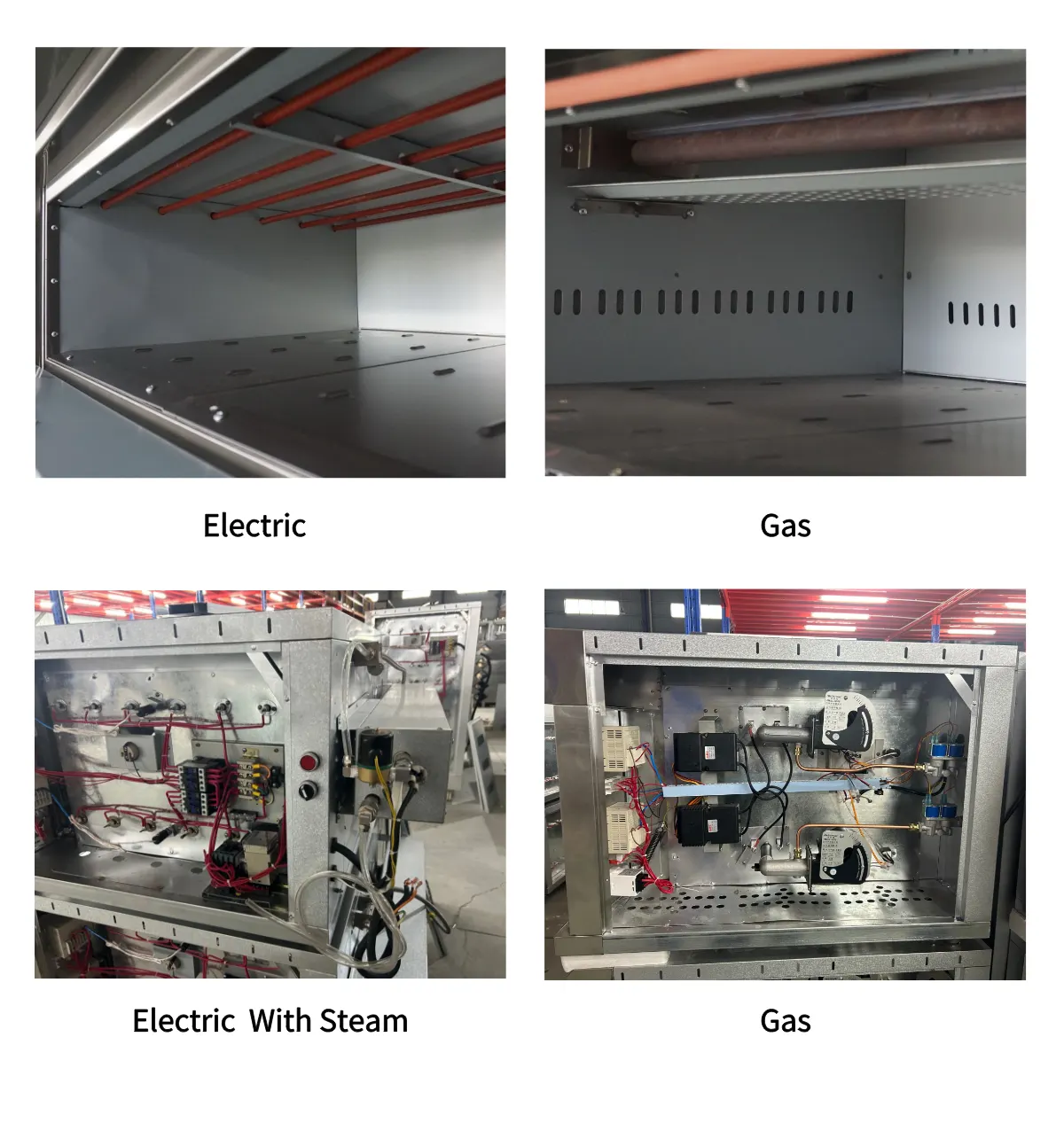
A commercial gas bakery oven uses natural gas or LPG to generate heat through a burner system, which heats the baking chamber to the required temperature.
Depending on the design, the oven distributes heat differently to ensure consistent baking performance. Commercial gas deck ovens often feature independent temperature controls for each deck, allowing operators to adjust baking conditions for different products.
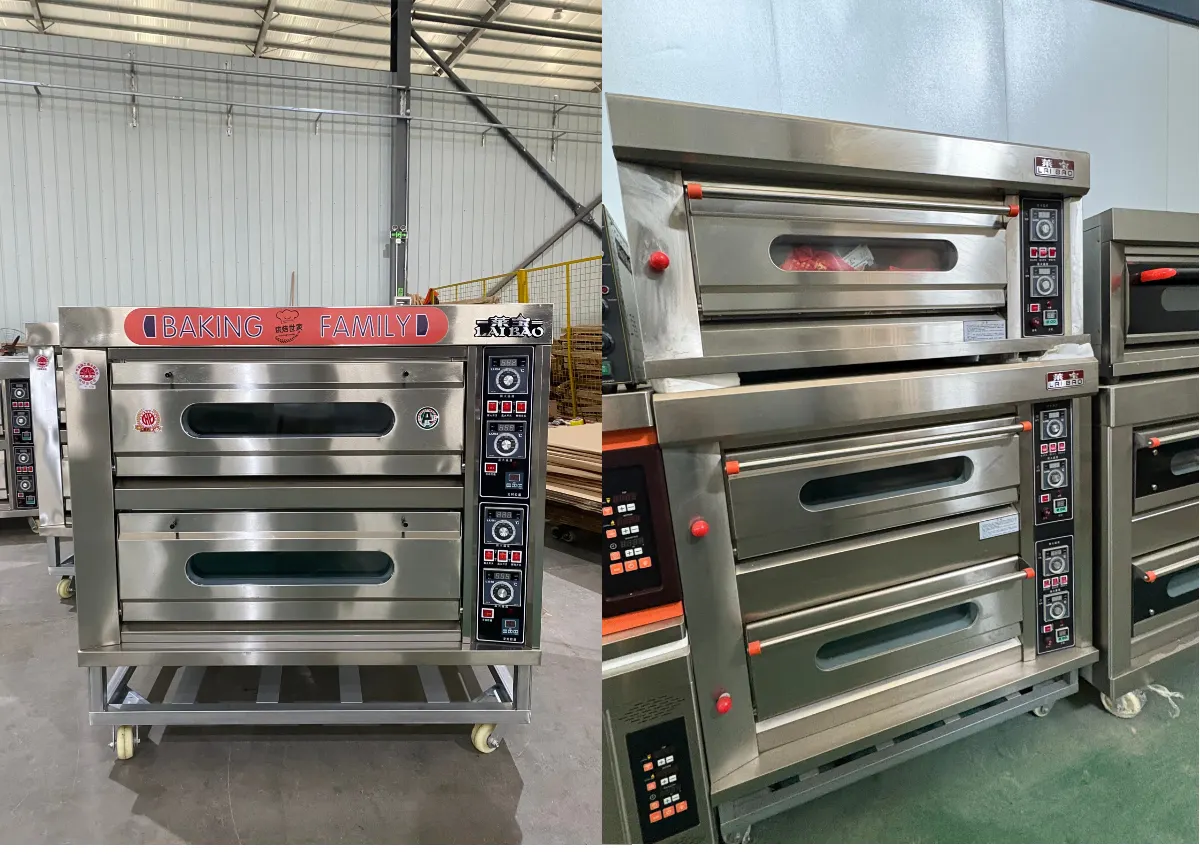
For example, Huimai’s ASL2-4Q gas oven features three decks and six trays, with independent temperature control. Optional steam systems and stone baking bases are available to meet different baking needs.
https://www.huimaibake.com/product/asl2-6q-professional-gas-oven/
How Does an Electric Bakery Oven Work?
A commercial electric bakery oven uses electrical heating elements to generate heat, which is transferred into the baking chamber to achieve the desired baking temperature. Temperature controllers regulate the heating process to maintain consistent baking conditions.
Depending on the model, electric ovens may use different heating element designs and configurations. They are widely used for baking bread, pastries, cakes, and other products, with options ranging from single-deck to multi-deck ovens.
Unlike gas ovens, which generate heat through combustion, electric ovens rely on electrical resistance to produce heat.
https://www.huimaibake.com/product/asl3-6d-commercial-electric-oven/
2. Gas vs Electric Bakery Oven: Key Differences
Energy Source and Operating Costs
Energy costs are an important factor when choosing a commercial bakery oven.
Gas ovens use natural gas (LNG))or LPG, while electric ovens rely on electricity. Which is more economical depends on local energy prices, oven consumption, operating hours, production volume, and heating efficiency.
In some markets, gas may be cheaper, while in others, electricity may offer better value. Buyers should compare actual energy consumption with local energy prices rather than relying on general claims about cost savings.
For distributors and importers, understanding these differences helps provide more practical recommendations to customers.
Temperature Control and Baking Performance
Both commercial gas and electric ovens can provide stable temperature control and consistent baking results. Performance depends on the heating system, chamber design, insulation, control system, and overall oven configuration.
When comparing ovens, consider:
- Temperature adjustment range
- Independent temperature control for each deck
- Temperature consistency
- Heating response
- Control system accuracy
- Suitability for different baking products
Multi-deck ovens with independent temperature control allow operators to adjust each chamber separately, making them suitable for bakeries producing different products in the same shift.
Rather than choosing based solely on the energy source, buyers should evaluate the oven’s actual performance and suitability for their production needs.
Maintenance and After-Sales Service
Both gas and electric ovens require regular inspection and maintenance.
Gas ovens need checks on burners, gas connections, ignition systems, and temperature controls. Electric ovens require inspection of heating elements, electrical connections, sensors, and protective devices.
Maintenance needs vary by model and operating conditions.
For distributors and importers, spare parts availability and technical support are also important when choosing a supplier. A reliable manufacturer should provide product documentation, troubleshooting guidance, and replacement parts support.
3. Advantages of Commercial Gas Bakery Ovens
Commercial gas ovens are widely used in bakeries where a suitable gas supply is available. Their main advantages include:
1. Flexible Energy Options
Depending on the model, gas ovens can use natural gas or LPG, making them suitable for different markets and installation conditions.
2. High Production Capacity
Multi-deck gas ovens provide multiple baking chambers in a compact space, helping bakeries increase production without requiring a large footprint.
3. Independent Temperature Control
Selected models allow operators to adjust each deck separately, making it easier to bake different products under different temperature conditions.
4. Potentially Lower Operating Costs
In markets where gas prices are competitive, gas ovens may offer lower operating costs, especially for frequent baking operations. Actual savings depend on local energy prices and oven consumption.
4. Advantages of Commercial Electric Bakery Ovens
Commercial electric ovens are widely used in bakeries, hotels, restaurants, and foodservice businesses. Their main advantages include:
1. No Gas Connection Required
Electric ovens do not require a gas supply, making installation more convenient in facilities without suitable gas connections.
2. Convenient Temperature Control
Digital or microcomputer-based systems allow operators to set and monitor baking temperatures easily.
3. Multiple Configurations
Electric ovens are available in single-deck, multi-deck, and other configurations to suit different production needs.
4. Wide Range of Applications
Depending on the model, electric ovens can bake bread, cakes, pastries, cookies, pizza, and other products.
For businesses with suitable electrical infrastructure, electric ovens offer a practical baking solution.
5. Gas vs Electric: Which Oven Is More Suitable for Your Business?
The best choice depends on your business model, production requirements, and local operating conditions.
|
Business Requirement |
Gas Oven |
Electric Oven |
|
Suitable gas supply available |
A practical option |
Also possible |
|
No gas connection available |
May require additional installation | Often more convenient |
| Local gas prices are favorable | Worth evaluating |
Compare electricity costs |
|
Electrical capacity is limited |
May be worth considering, subject to control-system requirements | Check rated power carefully |
|
Multiple baking chambers required |
Multi-deck configurations available |
Multi-deck configurations available |
|
Different baking temperatures needed |
Available | Available |
|
Installation conditions |
LNG or LPG |
Electric |
For a bakery operating in a location with an established LPG supply and favorable gas prices, a commercial gas oven may be worth considering.
For a bakery with sufficient electrical capacity but no suitable gas connection, an electric oven may be more convenient.
For distributors, the most important point is to understand the needs of the local market rather than promoting only one type of oven.
6. What Should Distributors and Importers Consider Before Purchasing?
For international B2B buyers, choosing a commercial oven involves more than comparing prices and specifications. Here are six key factors to consider:
1. Confirm Local Energy Standards
Check the gas type, gas pressure, voltage, frequency, and phase requirements in your target market. Ensure the oven configuration meets local standards.
2. Evaluate Production Capacity
Consider the number of decks, trays, tray dimensions, and expected production volume. Choose an oven that matches your customers’ actual needs.
3. Check Customization Options
For distributors developing their own brands, ask about available customization, including:
- Voltage and plug type
- Machine dimensions and tray configuration
- Exterior color and logo
- Private labeling
- Control system options
Confirm availability for each model.
4. Verify Certifications and Documents
Check the certificates, test reports, and technical documents available for the selected model. Confirm mandatory certification requirements in your destination market before ordering.
5. Calculate the Total Import Cost
Consider more than the purchase price. Include packaging, freight, insurance, import duties, customs clearance, transportation, installation, and after-sales costs.
Also confirm the applicable trade terms, such as EXW, FOB, CFR, or CIF.
6. Evaluate Manufacturer Support
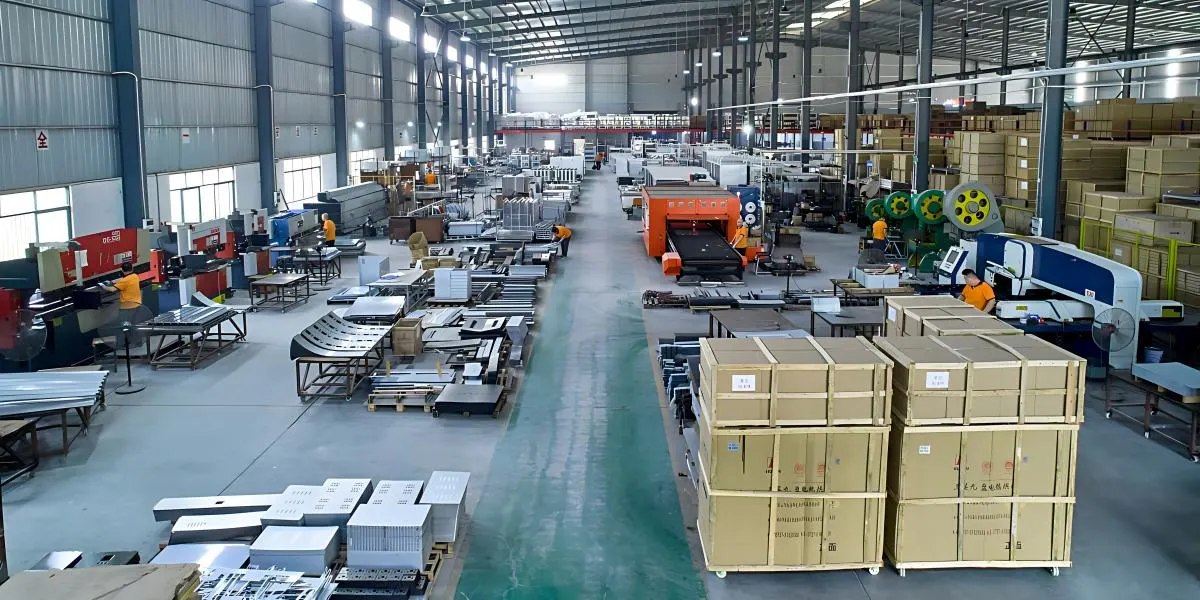
Assess the supplier’s product knowledge, production capability, quality inspection, customization, spare parts availability, and technical support.
Reliable communication and after-sales service are essential for long-term distribution partnerships.
7. Why Choose Huimai for Commercial Bakery Oven Solutions?
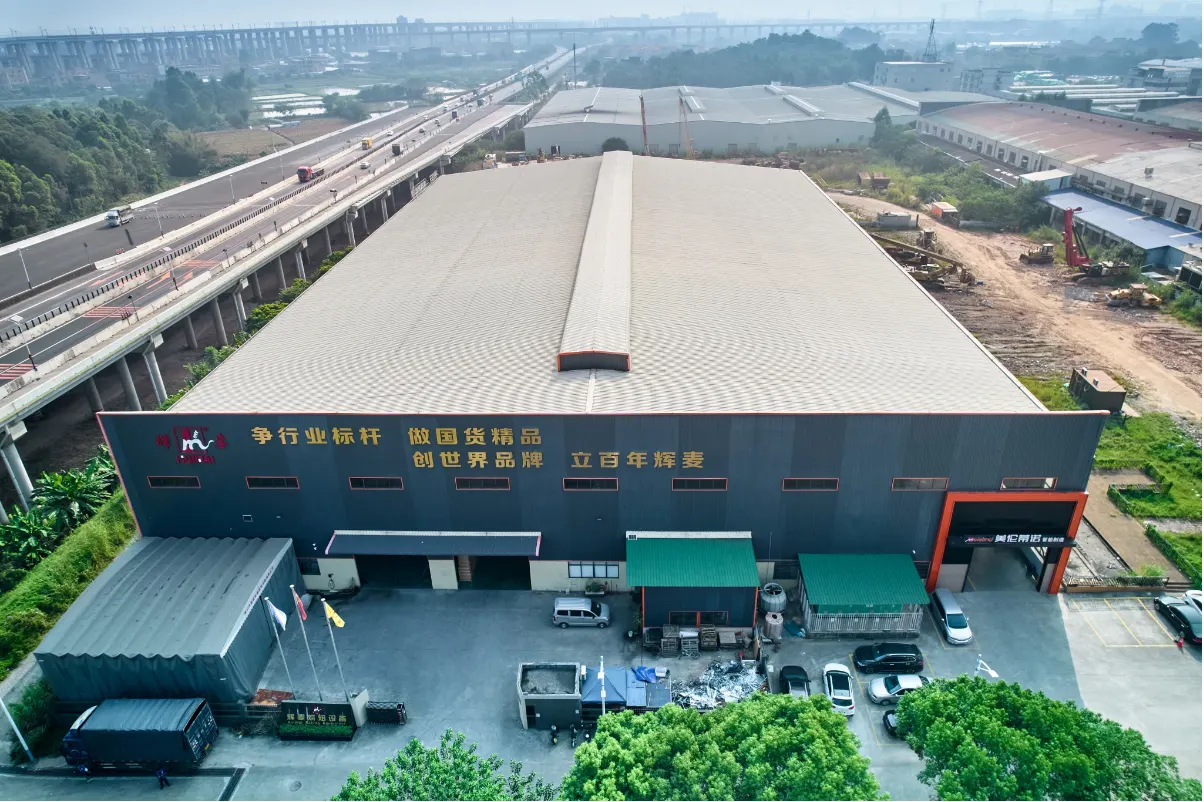
Huimai Bakery Equipment is based in Foshan, Guangdong, China, and supplies commercial baking equipment to international customers.
Its oven product range includes commercial gas deck ovens, electric deck ovens, and other baking oven configurations designed for different production requirements.
For buyers evaluating gas and electric ovens, Huimai provides product information and selection support to help match equipment configurations with local operating conditions.
Depending on the selected model, available options may include:
- Different deck and tray configurations
- Independent temperature control
- Optional steam systems
- Optional stone baking bases
- Customized voltage and plug requirements
- Logo and appearance customization
8. Frequently Asked Questions
Q1. Is a gas or electric bakery oven better for commercial baking?
Neither is universally better. Gas ovens may be suitable where gas is readily available and economically attractive. Electric ovens may be more convenient where sufficient electrical capacity is available but gas infrastructure is not.
The best choice depends on energy prices, production requirements, installation conditions, and the specific oven model.
Q2. Are gas bakery ovens cheaper to operate?
They can be, depending on local gas prices and the oven’s actual consumption. Buyers should compare estimated energy costs using local utility rates rather than relying on general assumptions.
Q3. Can a commercial gas oven use LPG?
Some commercial gas ovens support LPG, while others may be configured for natural gas. Always confirm the supported gas type, pressure, and configuration with the manufacturer before ordering.
Q4. Do electric bakery ovens require three-phase electricity?
Not all electric ovens require three-phase power. Requirements vary by model and rated power. Confirm the voltage, phase, frequency, and total power before purchasing.
Q5. Can gas and electric deck ovens bake the same products?
Both types can be used for many commercial baking applications. However, baking performance depends on the oven’s heating design, temperature control, chamber structure, and the specific product requirements.
Q6. Can I order commercial bakery ovens with my own brand logo?
OEM and private-label options may be available depending on the supplier and model. Confirm logo placement, color, packaging, minimum order requirements, and customization details before production.
Q7. What information should I provide when requesting an oven quotation?
Prepare the following information:
- Destination country
- Gas or electricity preference
- Local voltage, phase, and frequency
- Gas type and pressure, if applicable
- Products you plan to bake
- Required tray dimensions
- Desired oven capacity
- Order quantity
- Required certifications or documents
Providing these details helps the supplier recommend a more suitable configuration.
Looking for a Suitable Commercial Bakery Oven?
Contact Huimai Bakery Equipment to discuss your market requirements. Share your destination country, energy supply, baking applications, and required capacity. Our team can help you evaluate suitable gas and electric oven configurations for your business.